 Nomad JiuJitsu
BJJ Fundamentals Workshop
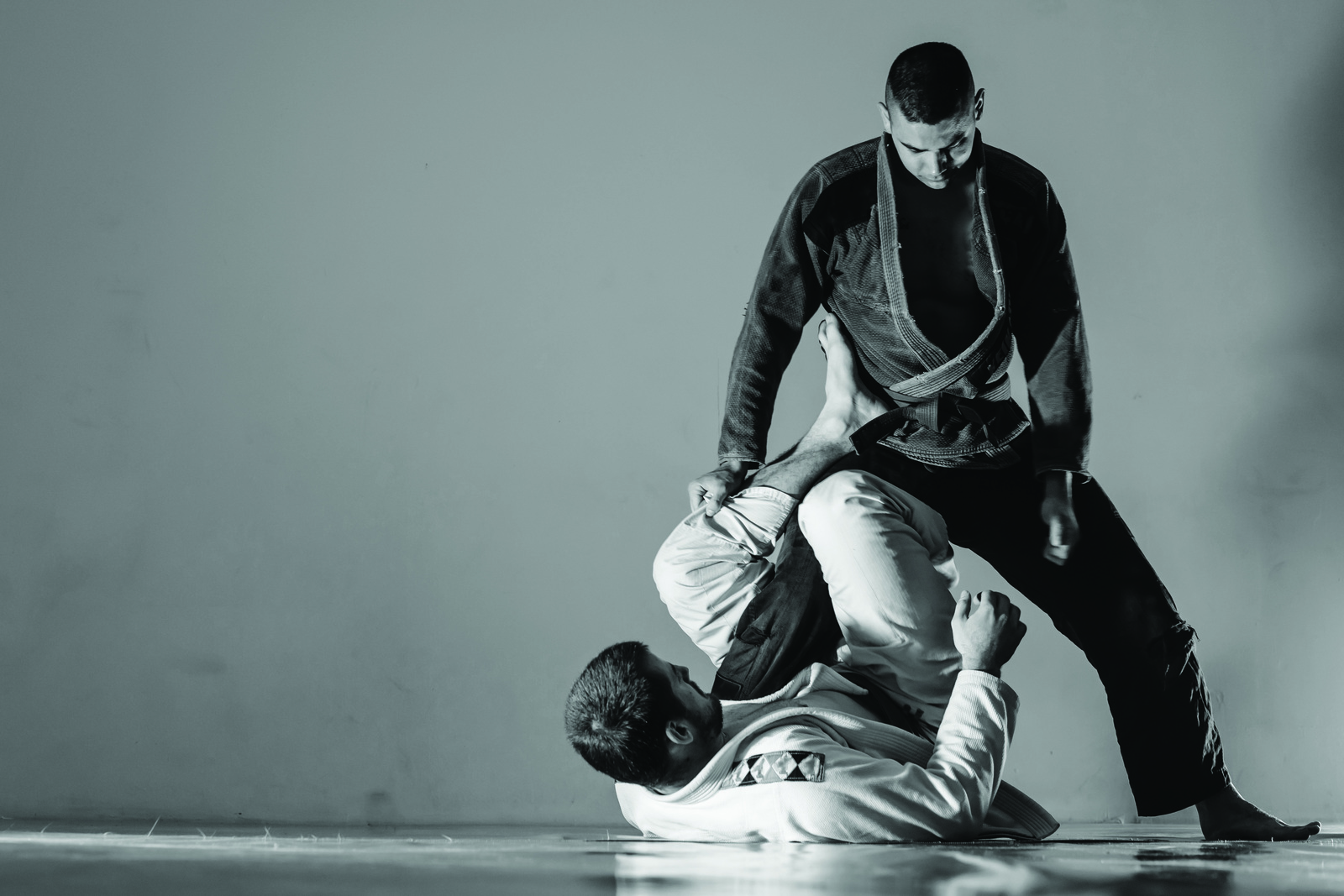
90 - minute BJJ Introduction session in Worksop
If you’ve been thinking about trying Brazilian Jiu Jitsu but feel unsure about walking into a regular class or committing to our BJJ Beginners Course?
Our 90-minute BJJ Fundamentals Workshop at Nomad Jiu Jitsu in Worksop is a relaxed, structured introduction session that gives you a proper feel for what training is actually like - without the pressure. We pride ourselves on creating an environment where beginners feel comfortable from day one, this workshop is just one of the ways you can start your BJJ journey with us.
Who is this for?
This one-off session is for adults of any age and fitness level who:
- Have never trained BJJ before
- Are looking for a new challenge that will build confidence and physical fitness
- Feel a bit nervous about walking into a normal class
- Want to understand how it all works first
- Are considering our Beginners Course but want low-commitment taster session
What to expect when you arrive at Nomad Jiu Jitsu
When you arrive, you’ll be welcomed by your coach who will show you around so you can get comfortable in the space. Our head instructor, James Boyle, will share a bit about his own journey - what it’s like to train and compete, and how jiu jitsu has impacted his life. He’ll also walk you through the basics of BJJ, how our classes are structured, and what the culture at Nomad is all about - including the social side of the club, gradings, seminars and opportunities to compete. Before we get started, we’ll cover a few key basics like mat etiquette and health and safety, so you feel relaxed, confident, and ready to begin.
The Structure of the Session
1. Warm up - fundamental movement drills
We start with a simple warm-up where you’ll learn fundamental movements used in Brazilian Jiu Jitsu such as:
Shrimping - to develop lateral hip mobility which is essential for escaping and creating space.
Bridging - practice explosive hip extension for mount escapes (when your partner is sitting on your torso)
Technical stand-ups - teach students how to safely return to their feet while maintaining a good base and awareness.
Forward and backward rolls - improve spinal mobility, mat awareness, and confidence in inverted positions.
Together, these drills reinforce the mechanics students will rely on during sparring. These movements are part of every class, so learning them properly at the start makes everything else easier.
2. Positioning
Before submissions and techniques, you’ll learn about positions — why control matters more than strength, how leverage works, and how smaller people can control bigger ones using technique. Understanding this framework helps everything click into place.
You’ll be introduced to the fundamental positions:
Mount - is when you’re sitting on top of your partner’s torso, facing them. It’s a strong position because you’re on top and can control their movement while they carry your weight.
Side control - is when you’re lying across your partner’s chest from the side. You use your body weight to pin them while staying balanced and in control.
Back control - is when you’re behind your partner with your legs wrapped around their waist and your chest against their back. From here, they can’t easily see or reach you, which makes it one of the most powerful positions.
Closed guard - is when you’re on your back with your legs wrapped around your partner’s waist. Even though you’re underneath, you can still attack form this position and use your legs and hips to throw your partner off balance.
3. Learning fundamental technique
Once some positioning has been learned, the next step will be to practice a small number of fundamental techniques where you and your partner will take turns to practice on one another.
For example, you might learn how to escape from underneath someone safely, such as a basic hip escape (shrimp) to create space, practice maintaining posture inside your partner’s guard or how to apply and defend a basic submission such as a cross-collar choke or straight armbar.
The focus is less on complexity and more on understanding body positioning, balance, and how to move safely and effectively on the ground. Each technique will be broken down step-by-step with plenty of time to practice and have 1 to 1 input from the instructor.
4. Practice (drilling)
You’ll drill each technique with a partner at a comfortable pace, with coaching support the whole way through to help you improve. If you’re comfortable, we may finish with some very light positional practice. This isn’t full sparring. It’s a controlled way to apply learned techniques against a resisting partner.
5. Time To Ask Questions
At the end, this is your chance to ask anything - about training, fitness, equipment, how often to train, or what the next steps would look like. You’ll also get a chance to chat with the other beginners in the room.
What Happens After The Workshop?
The aim of the session is give you a proper introduction so you can decide confidently whether Brazilian Jiu Jitsu is for you - so there’s no obligation to sign up to anything. If you enjoy it, the natural next step is our Beginners Course, where you’ll build solid foundations over a 4-week programme. Or you can hop right into regular classes by booking a free trial class.
Book your place
We keep numbers limited so that each student receives dedicated support from the coaching team. If you’ve been thinking about trying BJJ in Worksop, this is the easiest way to start. Book your place on the next Fundamentals Workshop and come see what it’s all about.
We’ll see you on the mats!